
Sports physiotherapy and rehabilitation through movement.
More than 40 years supporting athletes —from amateurs to elite professionals— with the understanding that physiotherapy is the means, sport is the context, and rehabilitation is the personal process.
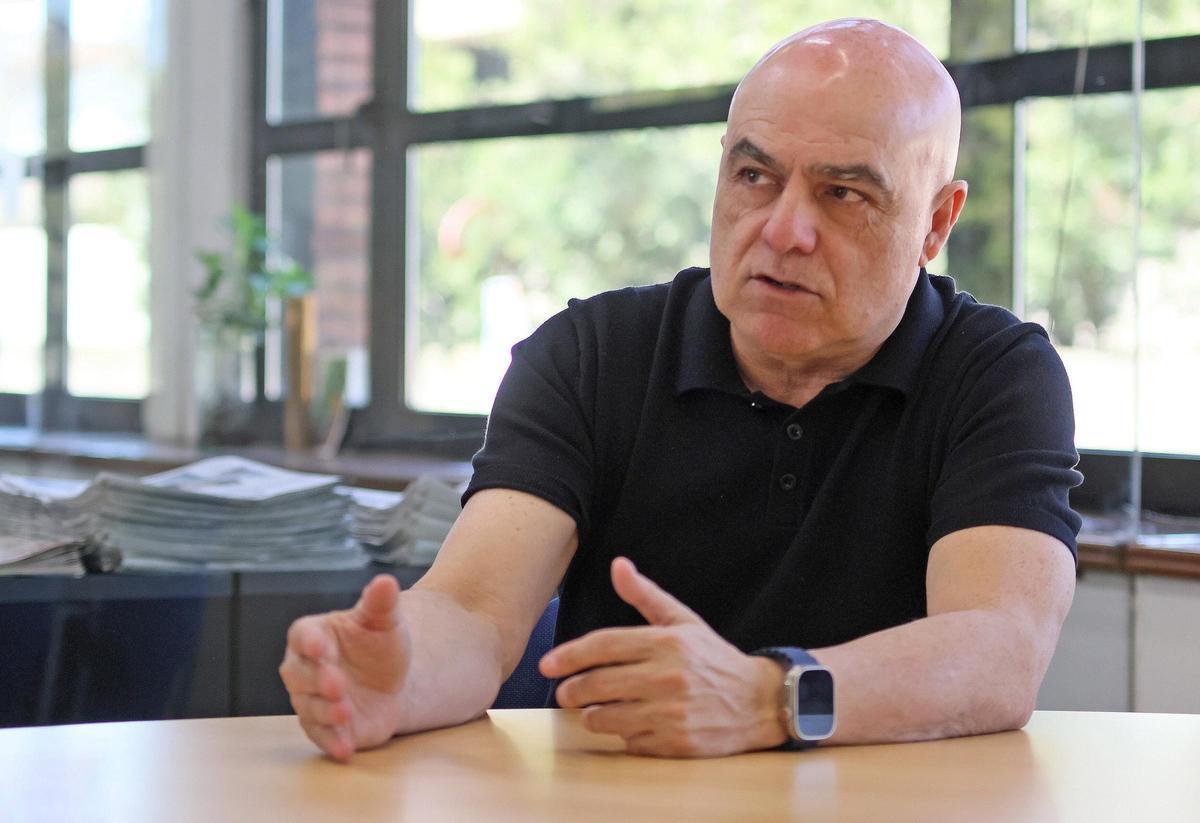
Excellence in rehabilitation lies in grounding decisions in clinical judgement and validating load through the individual’s context.
A career spanning clinical practice, high performance and education.
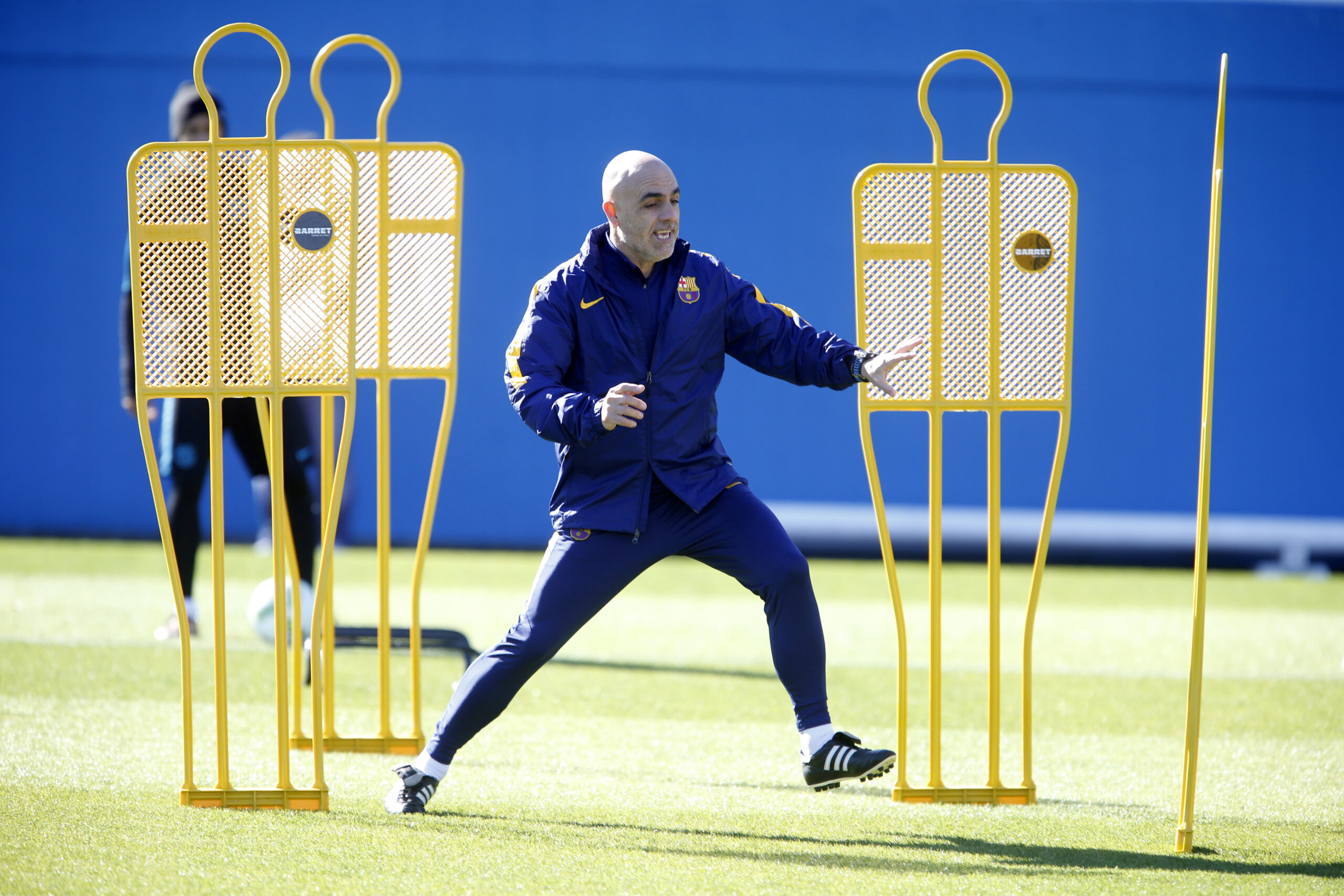
Clinical experience, professional football, university teaching, advanced education and professional communication in the service of one core idea: rehabilitating movement with sound judgement.
in clinical practice and sport
FC Barcelona
the first team
therapeutic axis
The injury only tells me where the damage has manifested; my job is to understand why it occurred, the context in which it may have developed, and how movement must be rehabilitated to minimise the risk of recurrence.
Five pillars · One perspectiveWe do not treat injuries. We treat people.
An injury cannot be understood as a closed problem solved by applying a technique. It is a dynamic, individual and demanding process that requires judgement, monitoring and constant adaptation. Managing an injury means making decisions at every stage, adjusting what is necessary, and supporting the athlete until confidence, competitive availability and the genuine capacity to return to the performance environment have been restored.
Active physiotherapy.
Recovery cannot depend solely on passive interventions. The athlete must move, be exposed, learn, adjust, tolerate and progress. Treatment must facilitate movement, not replace it. The injured body requires not only biological repair, but also functional reorganisation.
Movement rehabilitation.
A sports injury is not merely an anatomical diagnosis. It represents a loss of the capacity to produce, absorb, control and repeat movement under specific demands. Rehabilitation must go beyond the tissue and rebuild motor patterns, physical capacities, decision-making and sport-specific actions.
Load management and progressive return.
The athlete does not return because “it no longer hurts”; the athlete returns after demonstrating the capacity to progressively tolerate the demands of the sport. External load, internal load, rating of perceived exertion, fatigue and the individual response must form part of clinical reasoning.
Return to performance.
Returning to training is not the same as returning to competition. Returning to competition is not the same as returning to performance. The final objective is not simply to “discharge” the athlete, but to support the athlete until performance can again be expressed with purpose, judgement and confidence.
Movement injures us movement. Therefore, we must rehabilitate movement.— Juanjo Brau
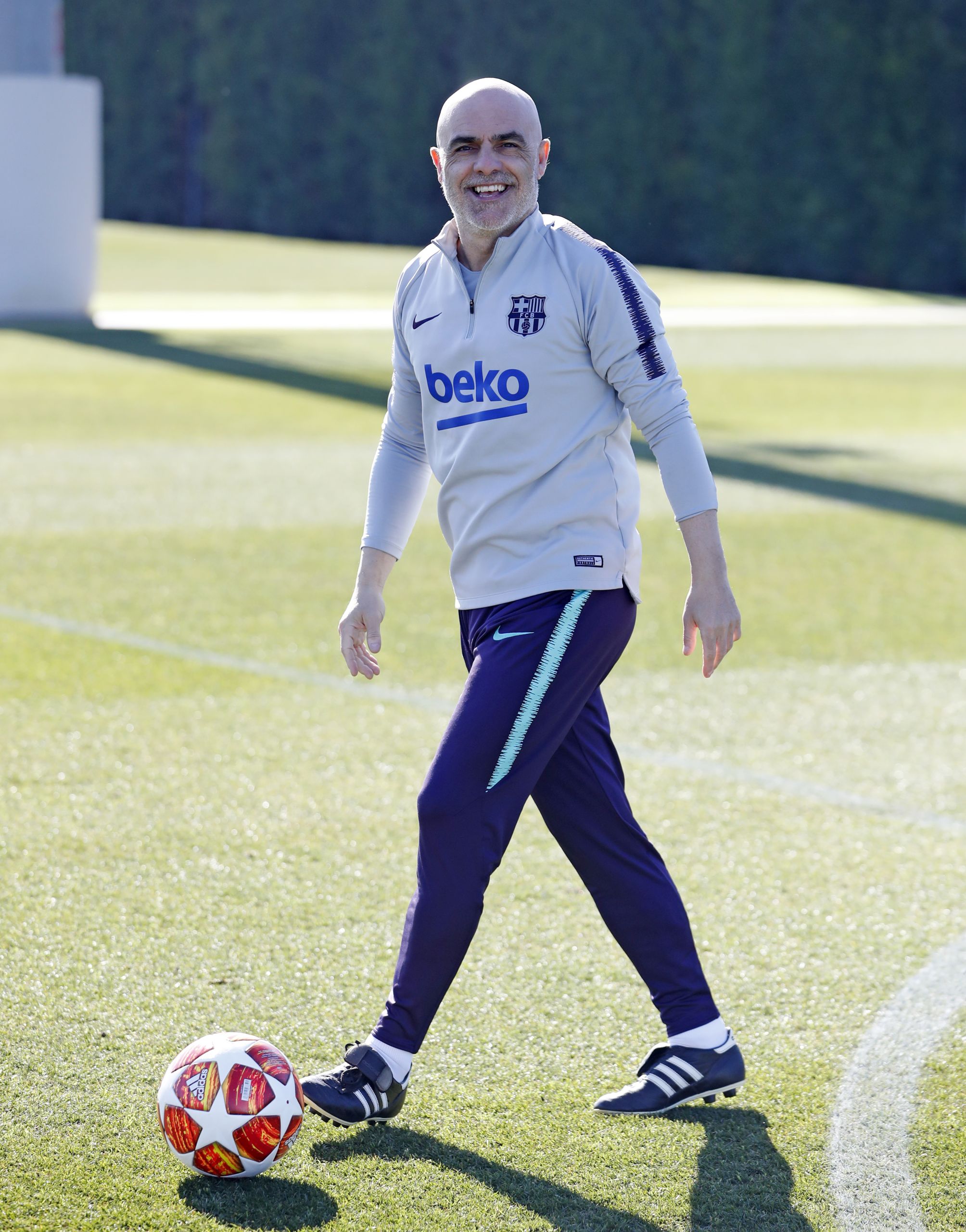
Experience, judgement and an active vision of physiotherapy.
I am a physiotherapist and sports rehabilitation specialist with a four-decade career shaped by my time at FC Barcelona, where I worked for 25 years. For 18 of those years, I was part of the first-team football staff, taking responsibility for creating and directing the Physiotherapy and Rehabilitation Department. In that role, I designed a club-specific structure and established an organisational and functional model adapted to the highest demands of elite sport.
My current professional activity is structured around three core areas: university teaching on specialised master’s programmes in sport and health, strategic content direction, and advanced consultancy for athletes and professionals in the sector.
As Director of Sports Content at Fisiofocus-Metrodora, I lead the development of technical knowledge for new generations of specialists. My daily work combines directing my private clinic with online consultancy, where I manage complex athlete cases requiring expert analysis and a clear roadmap to minimise recurrence risk and optimise recovery.
A professional ecosystem for recovery, education, communication and knowledge transfer.
Online consultancy.
Expert guidance for injured athletes, professionals, clubs and organisations requiring a rigorous perspective on recovery, rehabilitation and return.
View consultancySports physiotherapy and rehabilitation.
An active approach focused on movement, load, progression, function, motor control, confidence and return to performance within the athlete’s real context.
Discover the approachEducation for professionals.
Courses, masterclasses, seminars and programmes for physiotherapists, rehabilitation specialists, coaches and professionals seeking applied clinical judgement.
View educationBooks and eBooks.
Publications, applied resources and reference materials on sports rehabilitation, elastic resistance, injuries, load management and return to performance.
View books and eBooksEducation for professionals who want a deeper understanding of physical rehabilitation.
Educational programmes born from real clinical practice, designed for physiotherapists, rehabilitation specialists and sports professionals seeking depth, judgement and practical application.
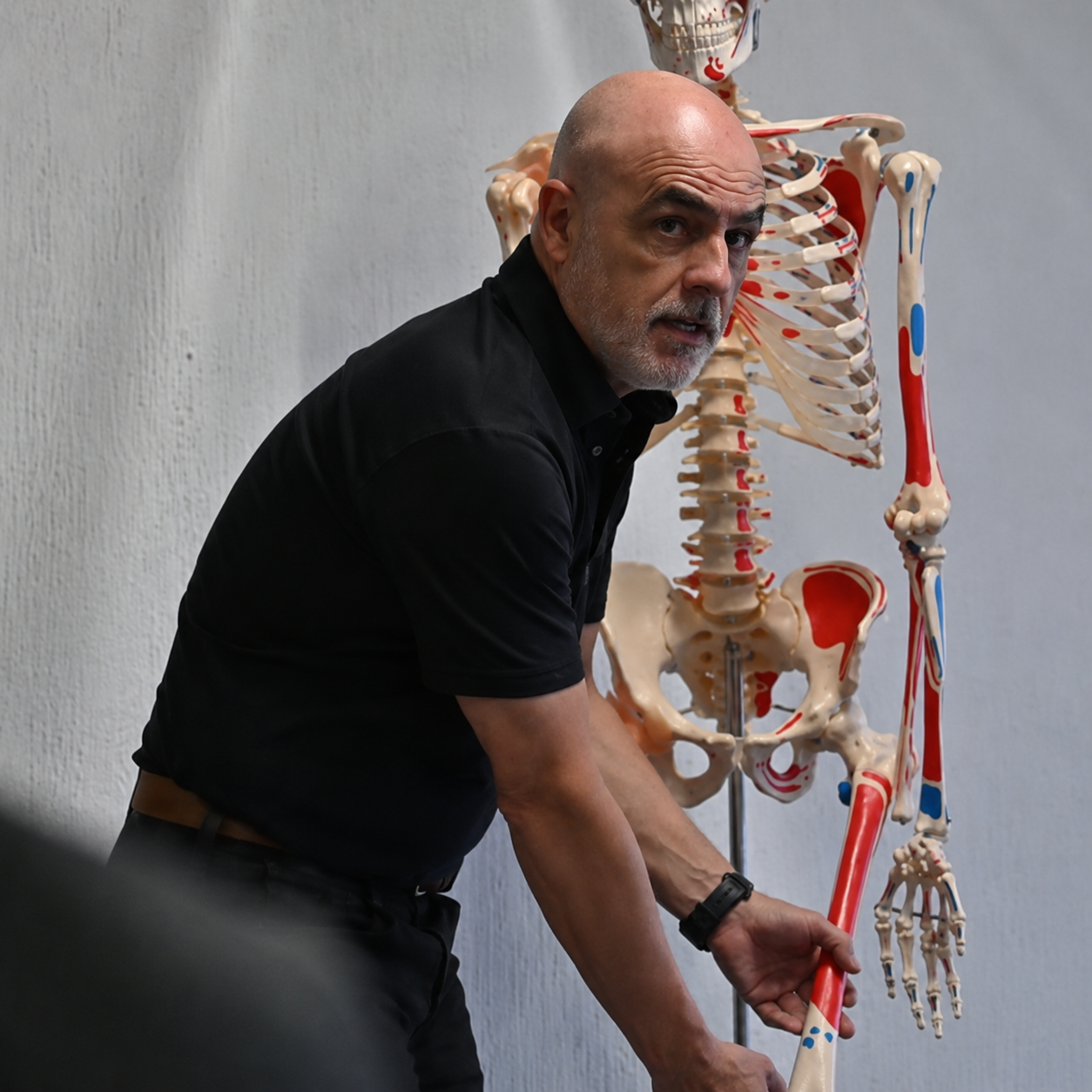
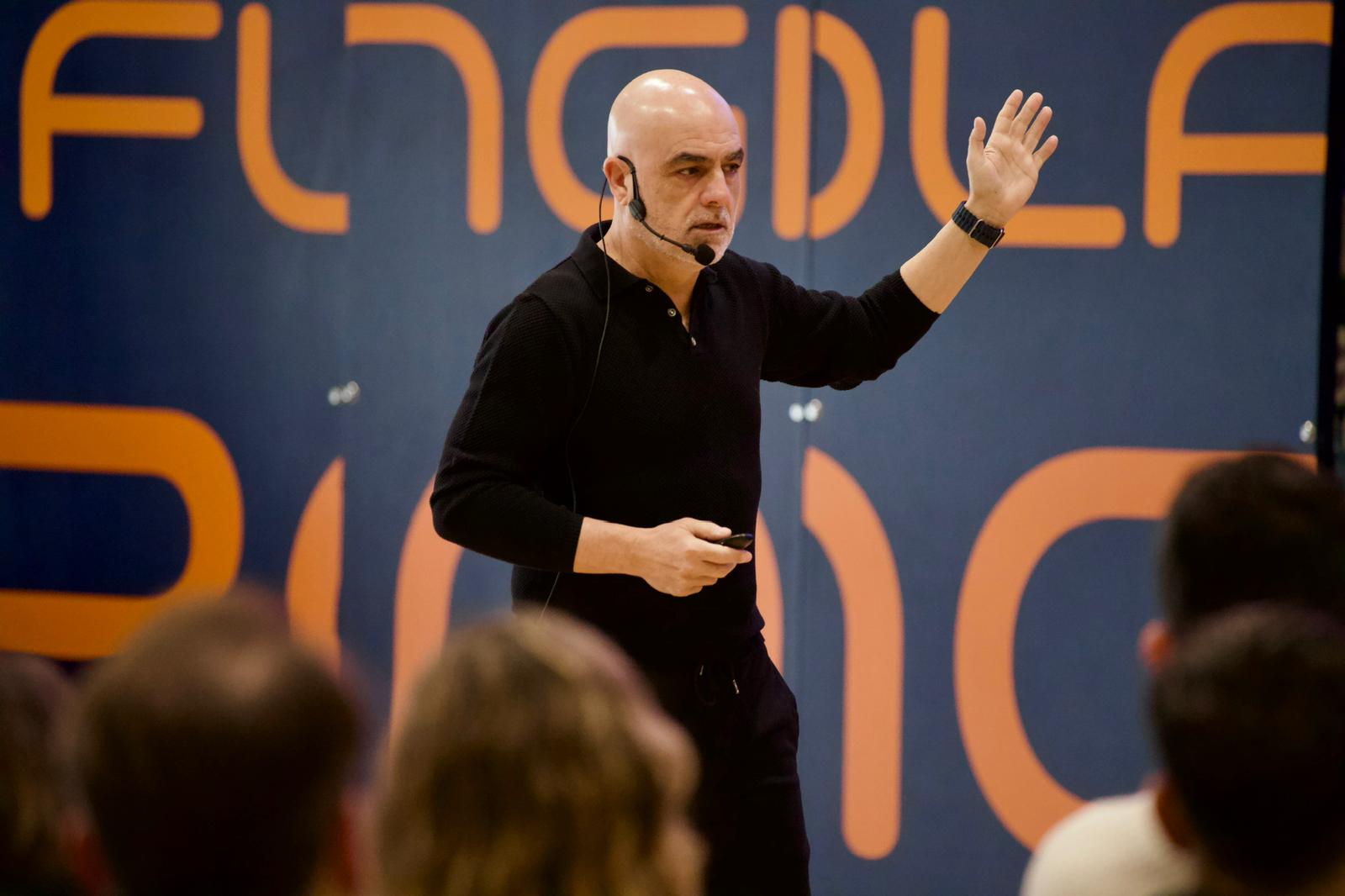
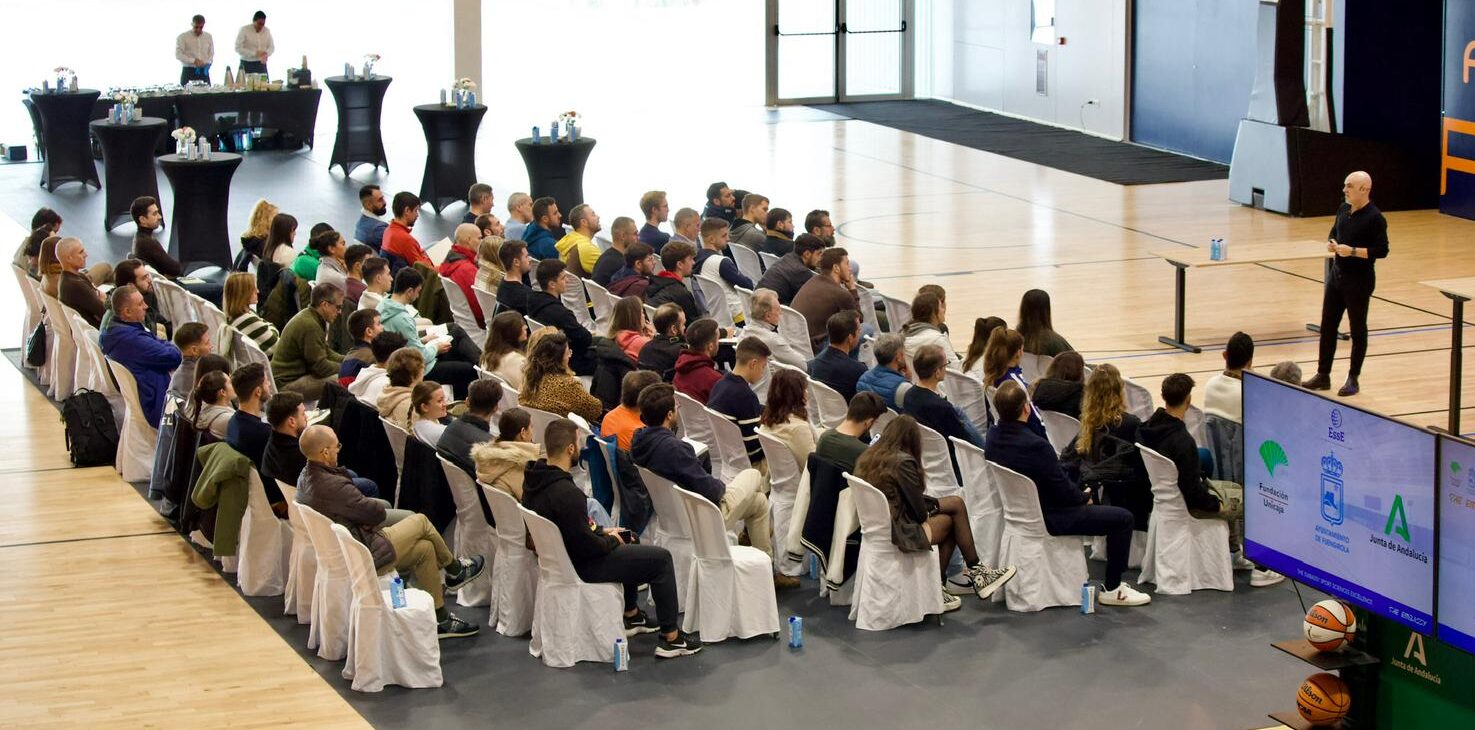
Courses and masterclasses.
Applied education in sports physiotherapy, injuries, rehabilitation, therapeutic exercise, load management and return to performance.
Professional resources.
Study materials, templates, frameworks, cases, clinical criteria and resources for use in real-world work with athletes.
Specialisation programmes.
Advanced educational pathways for professionals seeking a comprehensive perspective on injury, movement and return.
Publications for studying, consulting and applying rehabilitation through movement.
One main book and two professional eBooks designed for physiotherapists, rehabilitation specialists, coaches and sports professionals seeking judgement, structure and practical application.
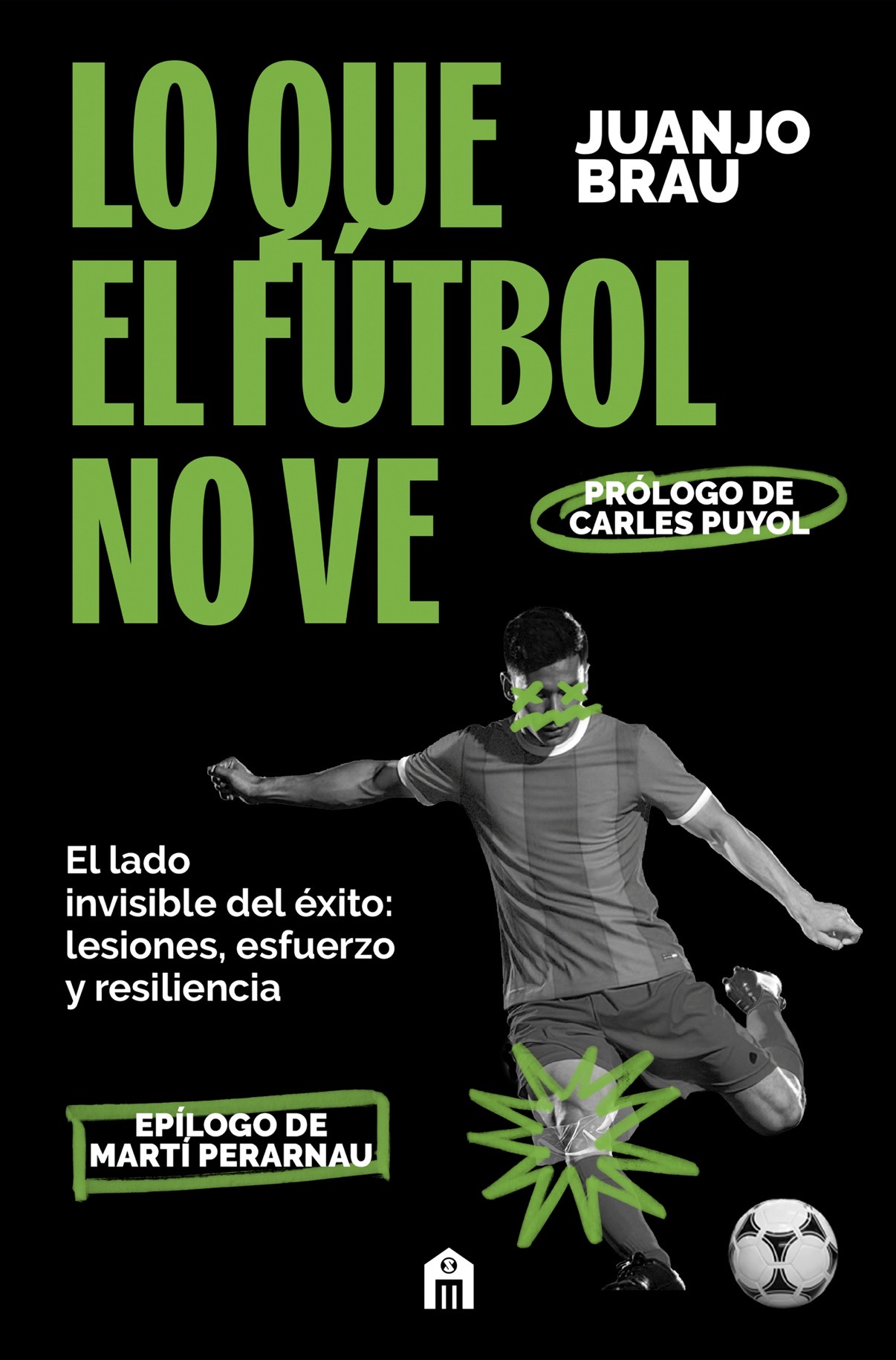
What Football Does Not See.
The invisible side of success: injuries, effort and resilience. A professional and human perspective on football, injury and everything that happens beyond visible performance.
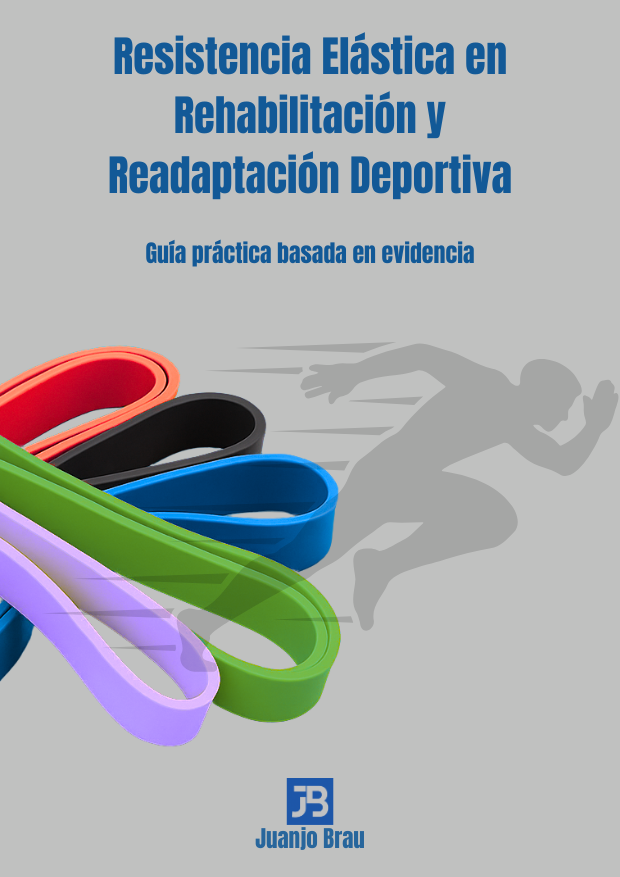
Elastic Resistance in Sports Rehabilitation.
An evidence-based practical guide to integrating elastic resistance into rehabilitation, functional strength and movement progression.
View eBook
Scientific correlation and application of rating of perceived exertion —RPE— in physical rehabilitation.
An applied resource for understanding and using rating of perceived exertion as a tool for load monitoring, progression and clinical decision-making.
View eBookArticles, analysis and professional reflection on injury, movement and return.
An editorial space for sharing clinical judgement, professional opinion and applied content on sports physiotherapy, rehabilitation, load, recovery and return to performance.
Movement injures us: why movement must be rehabilitated.
A reflection on movement as the origin, language and principal criterion in the sports recovery process.
Read articleWhy is recovering strength not enough to return to competition?
Strength is fundamental and necessary, but not sufficient: returning requires function, confidence, tolerance, context and decision-making.
Read articleLoad management: between recovery and recurrence.
Load is not merely volume or intensity. It is response, tolerance, perception, context and adaptation.
Read articleSports physiotherapy must also be explained beyond the clinic.
Interviews, publications, television, radio, podcasts and digital media in which injury, movement, recovery and high performance are explained through clinical experience and professional responsibility.
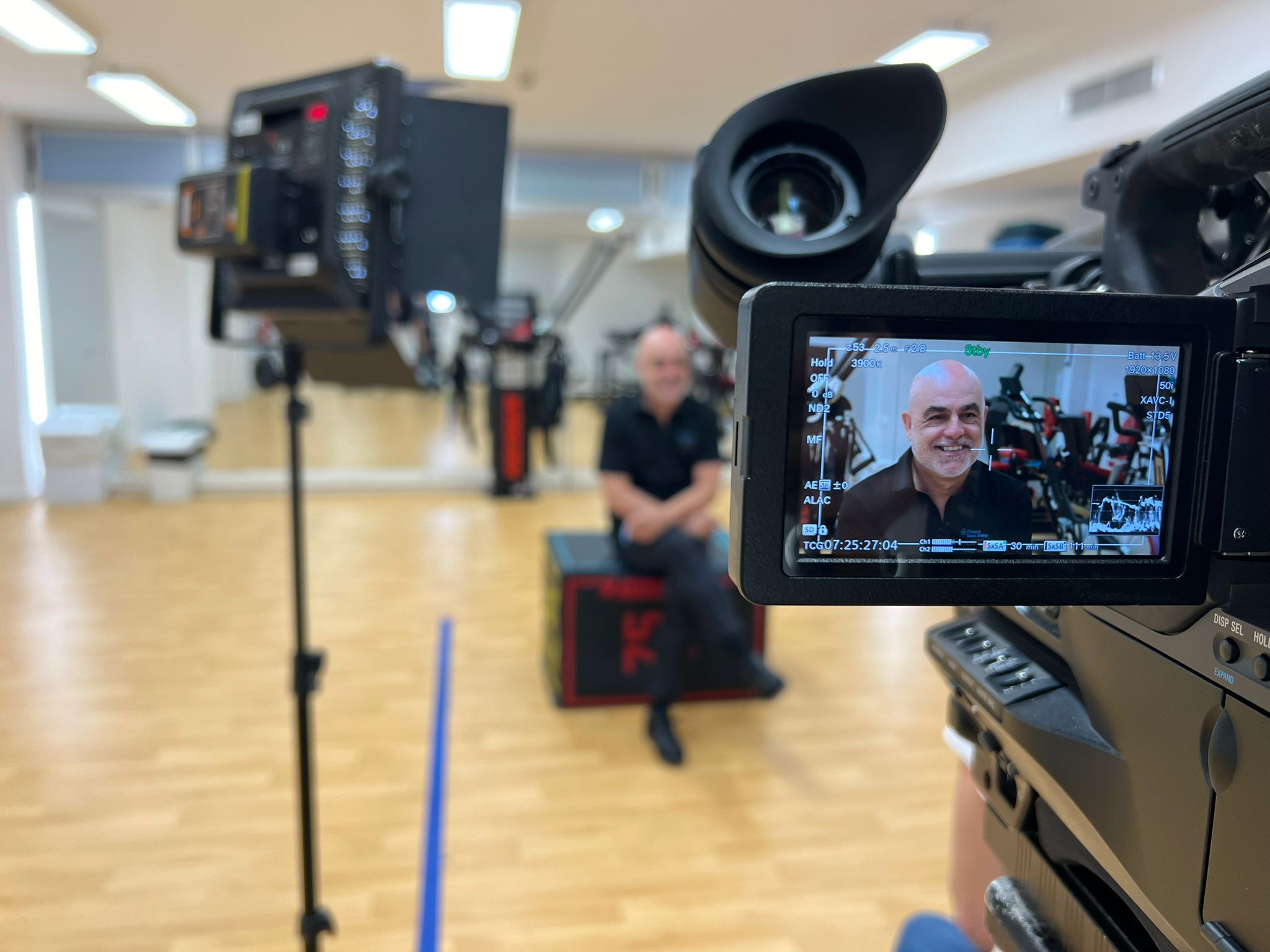
Conversations about injury, recovery and return.
Interview appearances presenting a professional perspective on sports physiotherapy, rehabilitation and high-performance culture.
View interviewsPublications in print media and digital platforms.
Articles, reports and collaborations providing context on sports injuries, load, prevention and return to competition.
View publicationsProfessional communication for broad audiences.
Appearances on television, radio, podcasts and digital media to communicate clinical and sports knowledge with rigour, clarity and practical value.
View appearancesTitle of the interview or appearance
Media outlet · Format (TV / Radio / Press / Podcast)Title of the interview or appearance
Media outlet · Format (TV / Radio / Press / Podcast)Title of the interview or appearance
Media outlet · Format (TV / Radio / Press / Podcast)Analysing current sports issues through physiotherapy and rehabilitation.
Professional publications and analyses on events related to injuries, recurrences, return timelines, competitive load, fatigue, medical communication, performance culture and decision-making.
The aim is not to diagnose individual cases without direct assessment, but to provide context, judgement and professional responsibility.
- Relevant injuries in professional football.
- Recurrences and return pressure.
- Schedule, fatigue and competitive load.
- Minimising injury risk.
- Injury culture in high-performance sport.
- Active physiotherapy and movement as therapy.
Return to performance begins with understanding movement.
Whether you are an athlete, professional, club, sports organisation or media outlet seeking an expert perspective on injury, recovery, rehabilitation, movement or high performance, this is the starting point.